Foundations
Holding yarn and hooks, chain structure, turning, joining, and the anatomy of a stitch.
A structured learning system for makers who need clear explanations, accurate terminology, and enough context to understand why a technique works.

Build skills from stitch structure to amigurumi finishing with reviewed instructions and visual checkpoints.
 Learning guide
Learn amigurumi fundamentals with material guidance, pattern-reading help, four core techniques, and a complete beginner crochet sphere.
Read guide → Learning guide
Learn how to half double crochet in US terms, identify all three loops, practise rows and rounds, and fix common tension and edge mistakes.
Read guide → Learning guide
Learn the US double crochet stitch step by step, including loop counts, turning chains, foundation rows, straight edges, and common fixes.
Read guide → Learning guide
Learn to identify the back loop, work BLO accurately in rows and rounds, understand the ridge it creates, and avoid common placement mistakes.
Read guide → Learning guide
Learn reliable yarn colour changes for rows and continuous-round amigurumi, including clean transitions, yarn management, and jog-aware tips.
Read guide → Learning guide
Learn how to position, pin, and sew open amigurumi components to a stuffed body with an even seam and securely hidden yarn ends.
Read guide →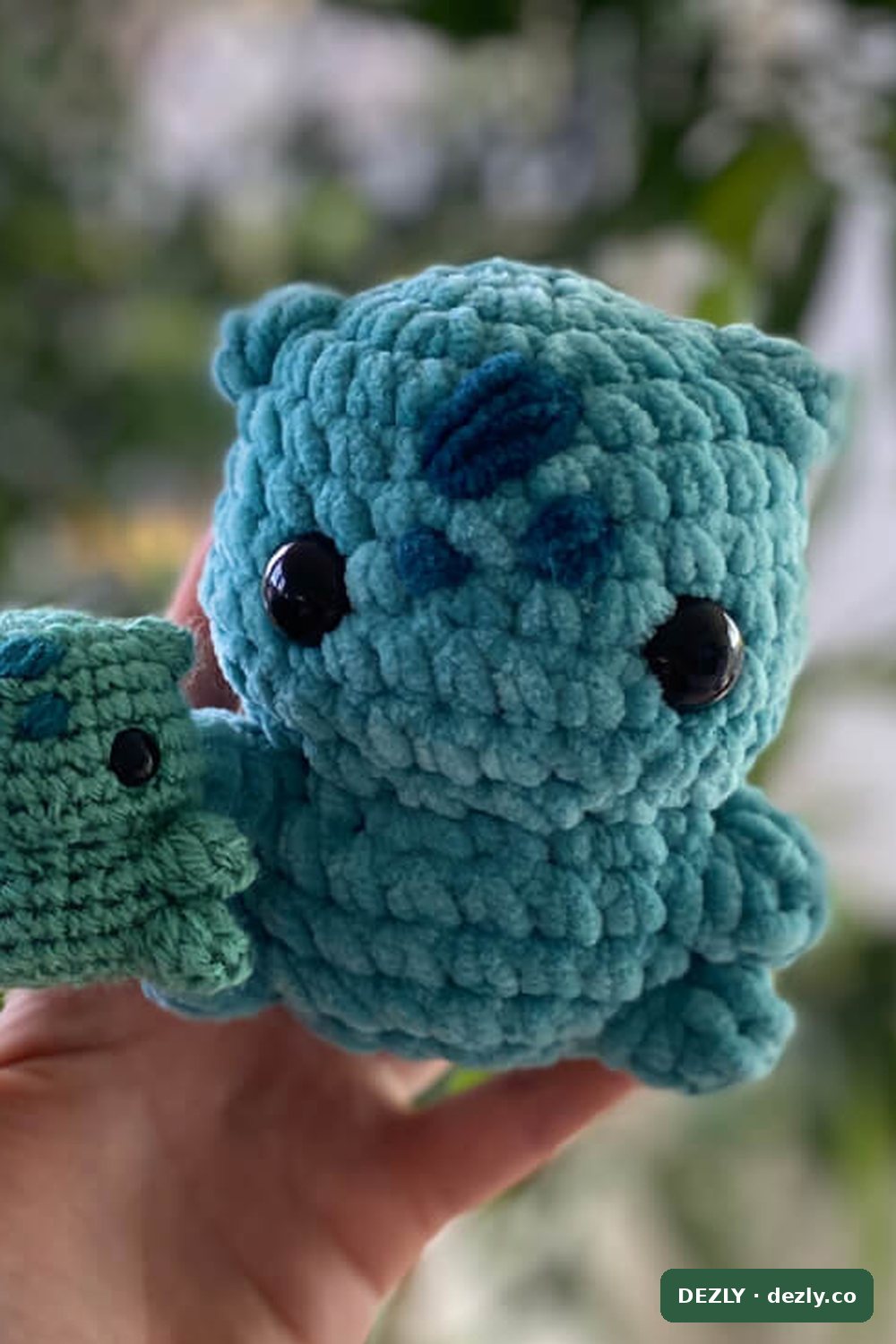 Learning guide
Chenille yarn makes the softest amigurumi and hides every stitch. These five tips — the chain start, feeling stitches, generous markers, counting every round and practising in smooth yarn — make plush crochet calm instead of frustrating.
Read guide →Choose a Craft Yarn Council weight. Dezly shows a typical US starting hook and when to go up or down. Swatch if finished size matters. Amigurumi usually needs a hook one or two sizes smaller than the yarn label.
Use this hub to find techniques, construction guidance, materials advice, and clearly organized resources for this part of crochet.
Holding yarn and hooks, chain structure, turning, joining, and the anatomy of a stitch.
Abbreviations, repeats, stitch counts, charts, terminology systems, and how instructions communicate construction.
How material, hook, hand movement, and stitch choice affect size, drape, density, and consistency.
Increases, decreases, flat work, rounds, seams, joins, and the decisions that create three-dimensional form.
Blocking, weaving ends, edging, assembly, care, and presenting a durable finished piece.
A diagnosis-first approach to count errors, uneven edges, splitting yarn, curling, and inconsistent fabric.
Each guide begins with a defined reader question, explains its scope, passes specialist editing, and includes the evidence or practical detail appropriate to its claims.
This desk coordinates Dezly's editorial framework and owns the final publication decision for company-level guidance.